Grandparents & Family
The Family Tradition Your Grandchild Will Keep Forever

By Dao, Founder · PhD in mathematics, former Director of Data Science at Uber and Capital One · LinkedIn ↗
The short version
- The hands-on tradition you do together — cooking, planting, building — is the gift. Researchers call family rituals the “strong glue” that holds a family together.
- Kids who grow up knowing their family’s stories tend to carry a strong “intergenerational self” — they belong to something bigger — and tend toward higher self-esteem and more resilience. (A pattern, not a promise.)
- It goes both ways: grandparents who stay actively involved tend to find more meaning and less stress. You’re not only giving — you’re getting.
- The keepsake that lasts isn’t a toy — it’s the tradition itself, made into a story your grandchild stars in, that hands them the whole afternoon back years later.
You know the feeling — the Sunday in the kitchen, the morning in the garden, the afternoon at the workbench. Those ordinary hours doing your one thing together are quietly the most important ones, and you’d give anything to keep them. Here’s the good news the research keeps finding: those shared traditions aren’t just sweet — they’re the strong glue of a family, and kids who grow up inside them tend to be steadier, more sure of who they are, and more resilient. (It’s a gift that goes both ways, too — it’s good for you.) Below: why those afternoons matter so much, and the simplest way to make one last forever.
The afternoons you’d give anything to keep
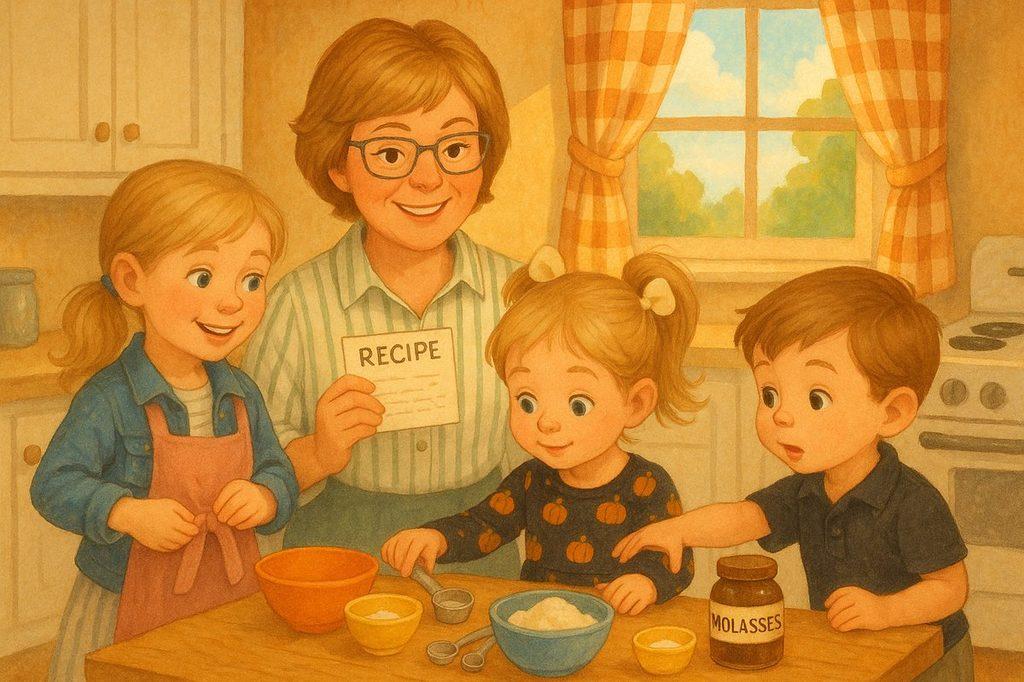
You know the one. Flour on the counter and a step-stool pulled up to the bench. The tomatoes you check together every morning. The song you always hum while you do it. It isn’t a special occasion — it’s just your thing, the one you’ve done together since they were small. And somewhere in the ordinariness of it, it quietly became the thing you’d give anything to hold onto.
Here’s why it lands so deep, and it isn’t sentimental — it’s how kids are built. A hands-on activity done side by side engages the whole child at once — their hands, their words, their feelings, their curiosity — in a way no screen or worksheet can touch. And a tradition you repeat together becomes a ritual, which researchers describe as the “strong glue” that solidifies a family and carries its sense of identity from one generation to the next. [8, 7]
Why those afternoons matter more than you think
Decades of research keep landing on the same quiet finding: children who grow up knowing their family’s stories — where they come from, the hard times the family came through, the little rituals that are theirs — tend to do better. In the work of Marshall Duke and Robyn Fivush, kids who knew more of their family’s history tended to have higher self-esteem, less anxiety, a stronger sense of control over their lives, and more resilience when life got hard. The researchers gave it a name: a strong “intergenerational self” — the deep-down knowing that you belong to something bigger than yourself. [3, 4]
And it isn’t only the happy stories. The families whose children fared best weren’t the ones with a perfect highlight reel — they were the ones who told the whole story, the hard parts included, together. That’s what tends to build resilience, not just nostalgia. [3]
Here’s the finding that stops me every time. In a 2025 study, the support a grandparent gave in early childhood was linked to a grandchild’s emotional wellbeing all the way into their twenties — and that link held even when the grandparent had already passed away. It held regardless of how good the child’s relationship with their parents was. Which is the research quietly saying the thing you already feel: the hours you give them now don’t end when you do. They stay. [1]
It’s a gift that goes both ways
One more thing, because it matters and nobody says it to you: this isn’t a one-way withdrawal from you to them. Grandparents who stay actively involved — who keep showing up for the Sunday and the garden and the call — tend to find more meaning in their days and carry less stress and low mood. The tradition feeds you, too. You’re not just leaving them something; you’re both getting something, every single time. [2]
How to make the tradition last: put them inside the story
So here’s the move, and it’s smaller than you’d think. Take the one thing you do together and turn it into a story your grandchild is the hero of. Not a generic “grandma and the recipe” book off a shelf — your dish, your grandchild, the two of you on the little quest to make it: hunting down the secret ingredient, stirring the magic pot, the moment it finally smells like home.
Why a personalized story and not just any book? Because of something memory researchers call the self-reference effect — we remember what’s about us far more durably than what’s about someone else. When the hero has your grandchild’s own name and face, the story goes in and stays in. A personalized storybook is the perfect vehicle for the tradition: it hands your grandchild the whole afternoon — the two of you, the dish, the feeling — in a form they can hold, re-read, and keep. The tradition itself is already safe — it lives in your hands and your voice; the book gives them a way to hold onto it forever. You reading it together is the magic. [9, 6]
The afternoon, kept
Years from now, your grandchild will pull that book off the shelf — maybe to read to a child of their own — and get the whole thing back: the flour, the step-stool, your hands over theirs, the dish that’s now theirs to make. A story they star in becomes an anchor for the memory — a way to keep the narrative of who they are, and who you were to them, close. That’s the quiet promise of it: make it together this weekend, and they get to keep it forever. [9, 10, 5]
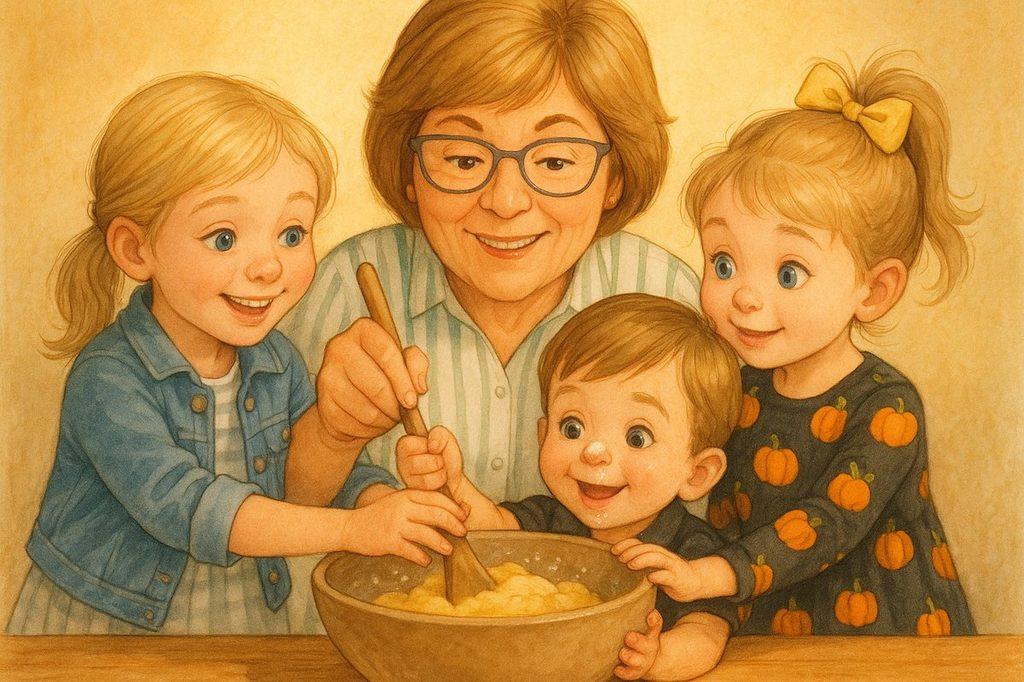
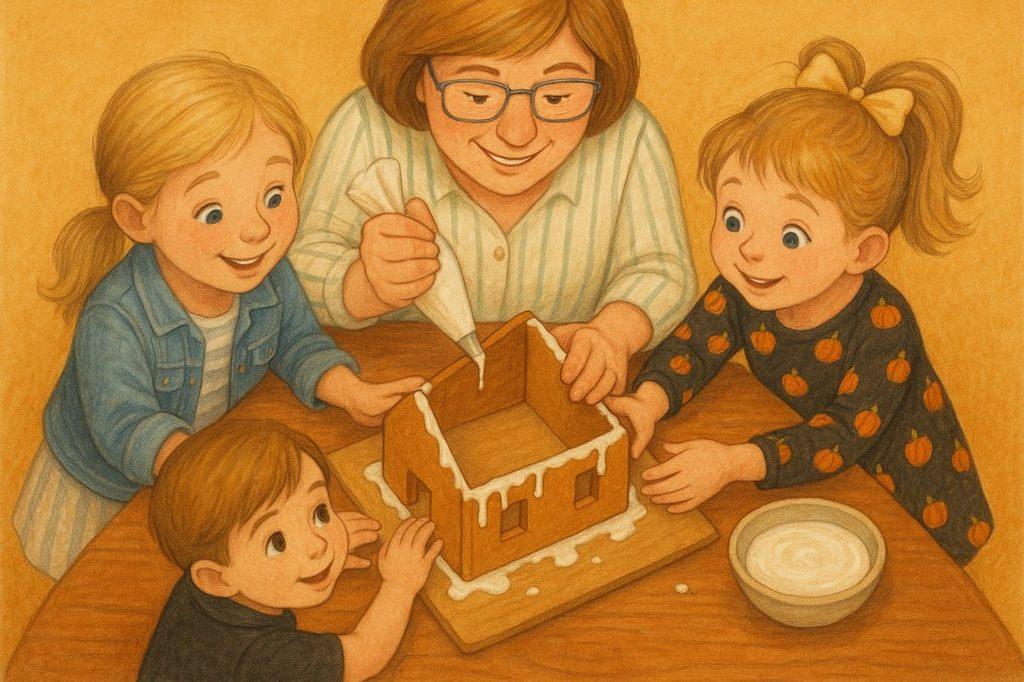
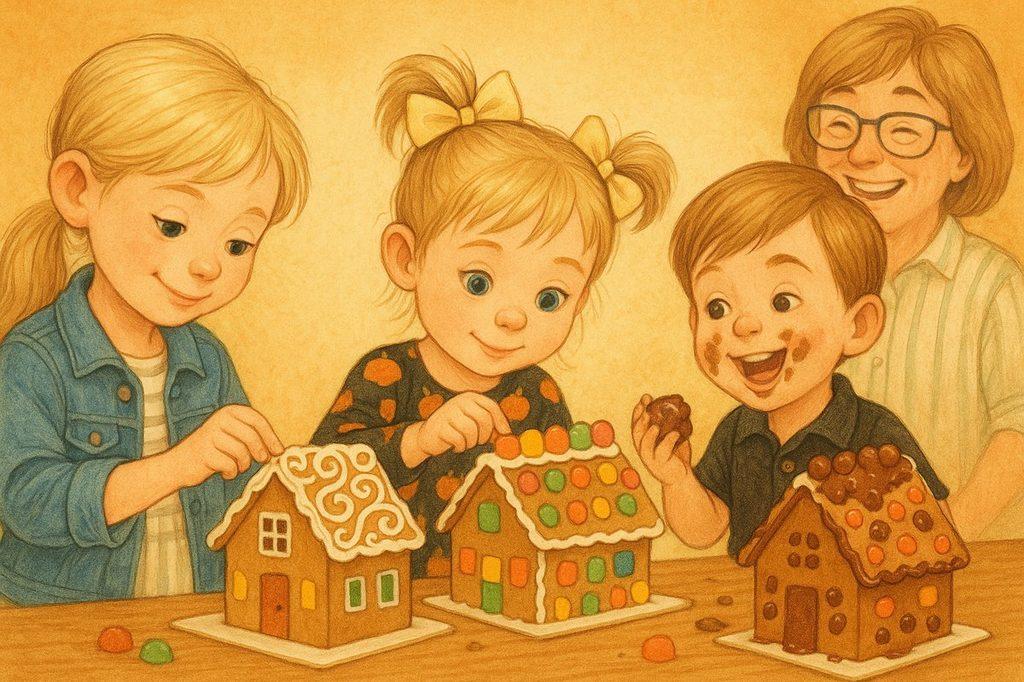
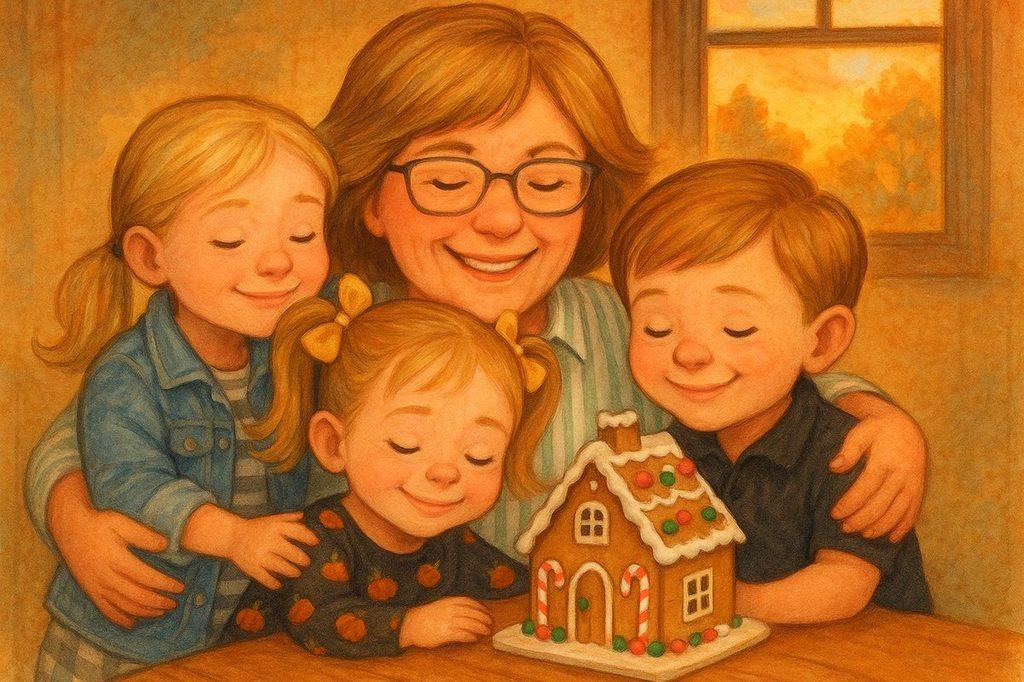
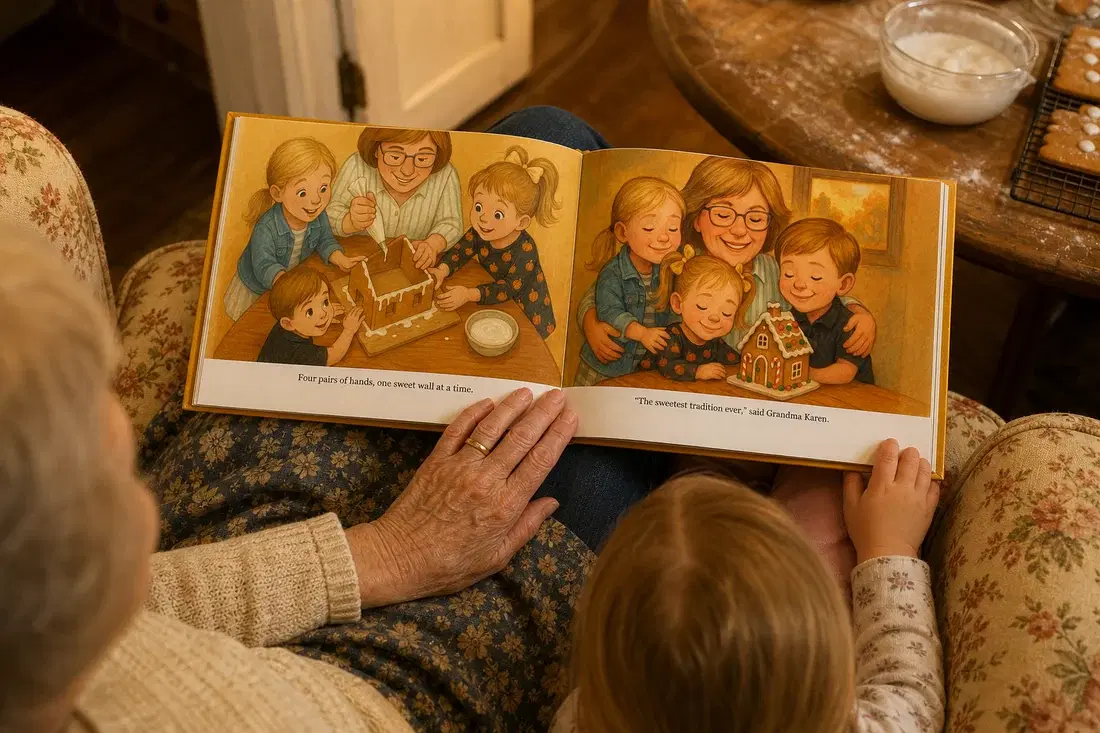
A real one we made: “Gingerbread Dreams”
Quick answers
Isn’t a personalized book just a fancier toy?
It’s the opposite of a toy you outgrow. A toy is forgotten by spring; the tradition made into a story your grandchild stars in gets re-read for years and kept on the shelf — because it’s about them and the two of you, it lands deeper and lasts longer than anything generic.
My grandchild lives far away — does this still reach them?
Yes — maybe especially. Research links a grandparent’s involvement to a grandchild’s wellbeing regardless of distance, and a story the two of you star in is a way to be present in their daily life from any number of miles away — something they open and feel you in, again and again.
Will it make my grandchild smarter or better-behaved?
The real gift here isn’t “smarter” — it’s connection and belonging, and that’s what the research actually backs: kids who grow up steeped in their family’s stories tend to feel more sure of who they are and more resilient. We keep it honest — no claims a keepsake makes a child smarter. The belonging is the point, and it’s plenty.
What if our “thing” isn’t cooking?
Then it’s whatever it is — the garden, the fishing spot, the workbench, the walk you always take. The story is built around your tradition, so it’s yours, not a template. Cooking is just one beautiful version of the same idea: the thing you do together, made to last.
Who’s behind this
I’m Dao — a mom, and the founder of PlotJoys. I make personalized storybooks because the most powerful keepsake a family can have isn’t a thing you buy — it’s your own people, your own story, made into a book you’ll keep. If there’s a tradition you share with a child you love, that’s the magic — and the book is how you keep it: a keepsake to re-read together and pass on.
Keep reading
The research, if you want it
- Stephenson & Carstensen (2025), “Grandparent support in early childhood and emotional wellbeing in emerging adulthood,” Frontiers in Psychology
- Journal of Gerontological Social Work — study of grandparenting roles, meaning, and stress
- Emory University — “How Family Stories Help Children Weather Hard Times” (Duke & Fivush)
- National Storytelling Network — “The Stories That Bind Us” (the “intergenerational self”)
- Frontiers in Psychology — review of family narratives, self-identity, and belonging
- Bohanek et al. (2006) — family narratives and preadolescents’ sense of self
- Family rituals research — emotional energy and family identity (PMC9645319)
- LibreTexts — “Promoting Child Development Through Hands-On Activities”
- EBSCO Research Starters — “Self-Reference Effect”
- ZERO TO THREE — “Who Am I? Developing a Sense of Self and Belonging”