Our Story
One Year of PlotJoys: What Actually Happened
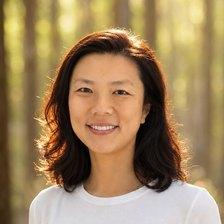
By Dao, Founder · PhD in mathematics, former Director of Data Science at Uber and Capital One · LinkedIn ↗
The short version
- 47% of PlotJoys customers have come back to order again — a second book for a sibling, a grandchild, or a printed keepsake copy.
- Every print order is reviewed by me before it ships — and for many families I still review the story itself along the way.
- Your child’s photos are used to make your book and nothing else — never to train models — and you can delete them, the story, or your whole account at any time.
- If a page isn’t right, it gets fixed — unlimited revisions, or your money back.
- Books are written and illustrated from scratch for ages 2–6, and ready in 1–3 days. Nothing is a template with a name swapped in.
A year ago I quit my job to make personalized storybooks for other people’s children. This is the honest version of year one, including the checkout bug that made one customer type her shipping address in five separate times. If you’re here to work out whether this is a real thing run by a real person: 47% of my customers have come back to order again. Every print order is reviewed by me before it ships. Your photos are used to make your book and nothing else. And if a page isn’t right, I fix it, or you get your money back.
The customer who typed her address five times
She typed her shipping address into my checkout five separate times before the order went through. Five. There was a bug, and the bug was mine.
She didn’t ask for a refund or write me an angry note. She just wanted the book. Her daughter, she told me later, won’t put it down. I think about that more than any number on my dashboard.
What I got wrong in year one
The checkout bug is the easy one to admit, because it got fixed. The harder one is getting a book right, which is not the same as getting it good. Her eyes are blue, not brown. His pants are white. The stuffed rabbit has to be the actual rabbit, and the favorite book has to be there on the shelf in the background. Those details are small to me and they are the entire book to a four-year-old. Early on I didn’t chase them hard enough.
The other half is harder still. Nobody orders one of these because they want a book. They order it because there’s something they need their child to hear, and it’s difficult to say straight out. I’m always here, even when I’m away. You’re going to be okay at the new school. You’re still mine now that the baby is here. If the story doesn’t carry that, the pictures don’t matter. Most of what I got better at this year was hearing the thing underneath the request.
I also assumed the illustrations would be the hard part. Keeping one child’s face the same from the first page to the last is genuinely hard — but it’s the two things above that decide whether a book gets read twice or put on a shelf.
What customer love actually looks like
There’s a line from Sam Altman I kept coming back to: “It’s much better to first make a product a small number of users love than a product that a large number of users like.” I understood it as strategy. This year I found out what it feels like. [1]
A grandmother came back to order a second book for her grandson as soon as the printed one arrived for his big sister. Another customer opened hers and wrote back, “Absolutely perfect. Actually made me cry.” Those two messages did more for me than anything on my dashboard.
The part I don’t take lightly is the trust. People send me photographs of their children and the stories they want told about them, the real ones that are only theirs. That is a lot to hand a stranger on the internet, and I try to be worth it.
The numbers, plainly
47% of my customers have come back to order again. That’s the number I watch, because nobody re-orders a keepsake they were only politely happy with. It’s usually a second child, a grandchild, or the printed hardcover after the digital one landed well.
The rest of the plain facts, in one place: books are written and illustrated from scratch for children ages 2–6, ready in 1–3 days, with a premium hardcover available as an add-on. Every print order is reviewed by me before it goes out. Photos are used to make your book and nothing else — our technology partners never use them to train their models, and you can delete a photo, a story, or your entire account at any time. If something isn’t right, I fix it — unlimited revisions, or your money back.
It’s still early days. I’m not a large company and I don’t pretend to be. This year I sent my first book to a family outside the United States, and I was thrilled about it for days.
The bar I actually use
The bar I use isn’t how a book gets made. It’s whether I’d hand it to my own daughter at bedtime and be glad she’s the one reading it. Every book has to clear that before it goes to anyone else’s child.
That bar keeps me small. I make fewer books than I could, and slower than I could. I use the best technology there is to make them — it’s the only reason a regular family can afford a book like this — but the technology does the labor. The taste is mine.
What makes a book land isn’t the technology anyway. It’s that everything in it already belongs to your child. Their name and their face, yes — but also their little brother, their grandma, the dog, the stuffed rabbit that has to come everywhere, the afternoon that actually happened. Memory researchers call the first part the self-reference effect: we remember what’s about us far better than what’s about someone else, so “that kid was brave” quietly becomes “I am brave.” The rest of it — their people, their animals, their things — is what makes the story feel true instead of made up. And you reading it with them is the magic. [2]
What year two looks like
More of the same, done better — sharper on the details, and better at hearing the thing underneath the request. One surprise from this year that will shape the next: how many of these are ordered by grandmothers, aunts and godparents rather than parents, usually looking for a gift that isn’t another toy.
And more families finding out this exists at all. That’s the honest hard part now — not making the books, but that most people have never heard of a book like this, so the parent who would love one never learns it’s an option. If that sounds like someone you know, telling them helps more than anything else I could do.
If you’re reading this because you’re deciding whether to trust me with a photo of your kid, I’m glad you looked. This is what I signed up for. A plot of joy, one book at a time.
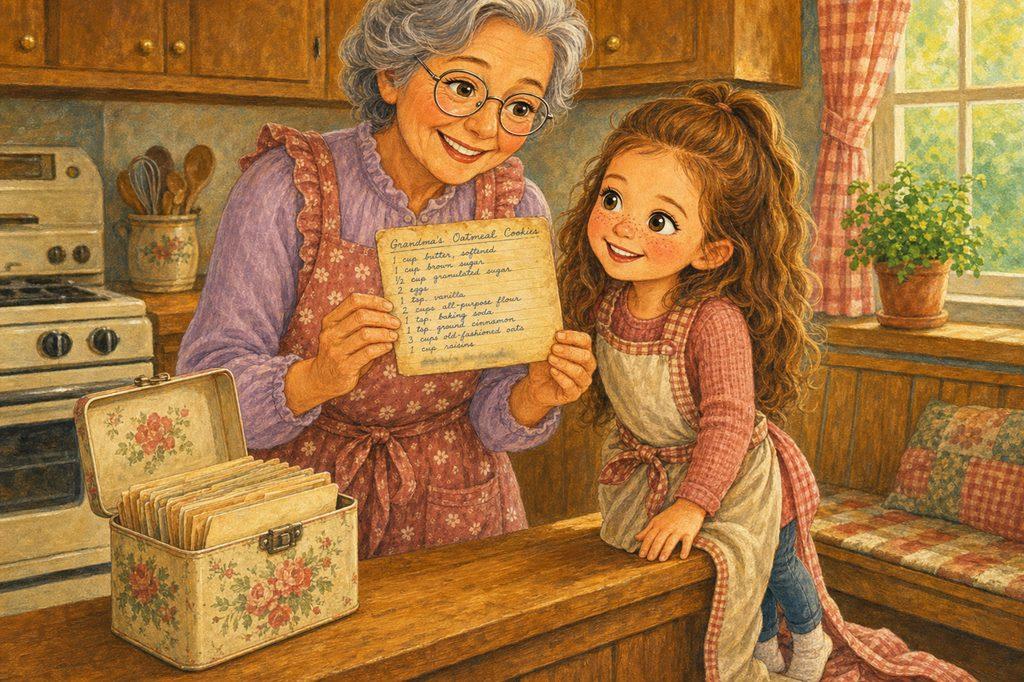
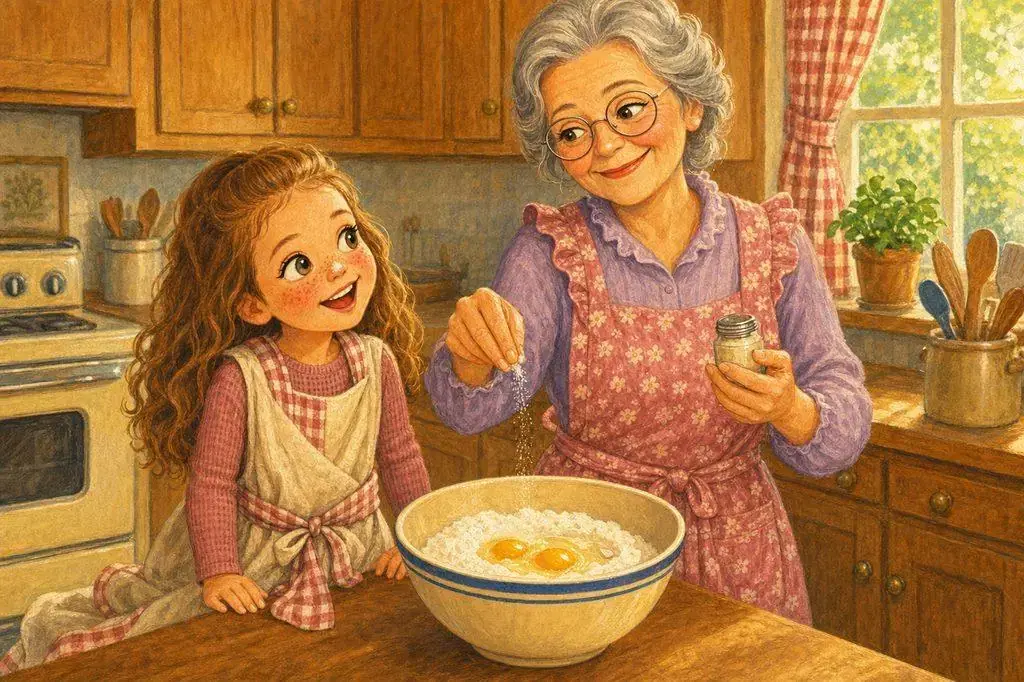
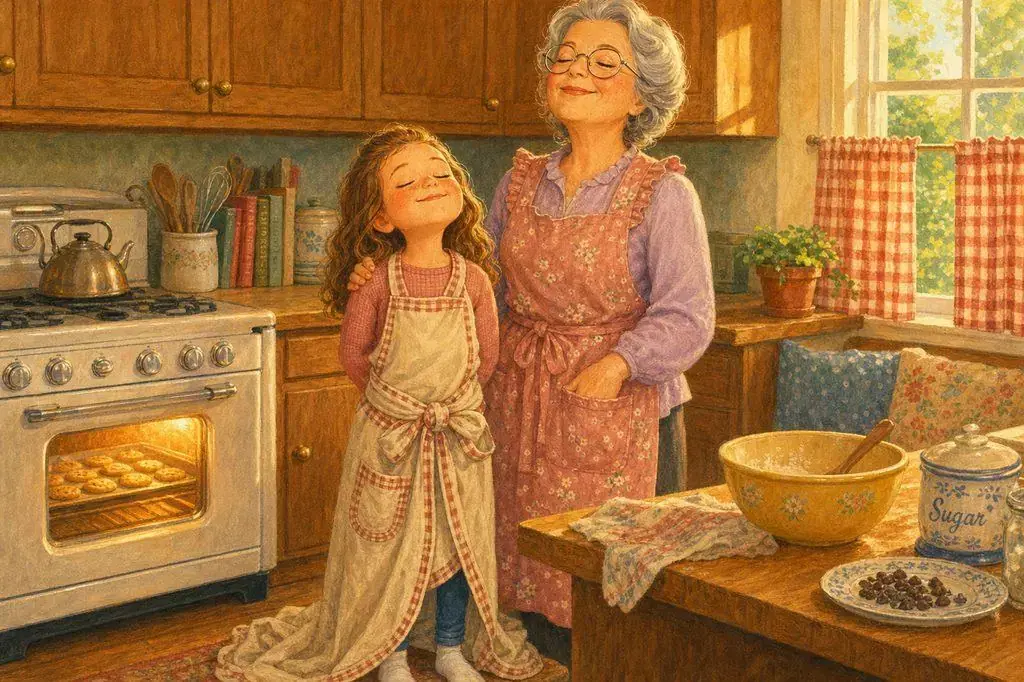
A book we made: “Nora’s Secret Pinch”
Quick answers
Is PlotJoys a real company, or a drop-shipper?
Real, and small. I’m Dao — I founded it, I built the pipeline, and I review every book that goes to print myself. I have a PhD in mathematics and spent about a decade building AI systems and leading data-science teams at Uber and Capital One before leaving to do this. You can find me on LinkedIn; I answer my own email.
How are the books actually made?
You tell me the story you want. From there it’s written and illustrated from scratch for your child, using the best technology available — and I review every book headed to print. The technology does the labor. The taste is mine. A book like this used to mean commissioning an author and an illustrator: thousands of dollars, weeks of work, out of reach for most families. This is the only reason a regular family can afford one.
What happens to my child’s photos?
They’re used for one thing: making your book. The technology partners we work with never use them to train their models or for anything else. You can delete a photo, a story, or your entire account at any time, and it’s gone.
What if I don’t like the book?
I fix it, as many times as it takes, or you get your money back. Unlimited revisions isn’t a slogan. It’s why a human reads every page before it goes out in the first place.
Do people actually order more than once?
47% of my customers have come back to order again — usually a second book for a sibling or another grandchild, or a printed hardcover after the digital one landed well. For a keepsake, that’s the honest measure of whether it worked.
How long does it take, and what ages is it for?
Your storybook is ready in 1–3 days. The books are written for children ages 2–6, with vocabulary and themes tuned to their stage. The wait is deliberate. Books that get made in seconds look like it.
Who’s behind this
I’m Dao, a mom and the founder of PlotJoys. Before this I spent about a decade building AI systems and leading data-science teams at Uber and Capital One, after a PhD in mathematics. You can check any of that on my LinkedIn, which is linked at the top of this page.
I started PlotJoys because I went looking for a picture book about the exact thing my own kid was going through and couldn’t find it. Nothing was her situation, and nothing was her. So I made one, and then I left my job to make them for other families. I built the whole thing myself, and I still read every page before it goes out. If you’re weighing whether to trust a small company with something this personal, I’d rather give you the honest version.