Inside the studio.
You send a photo and one sentence. A virtual studio — built to work the way a real one does — takes it from there: casting, writing, illustrating.
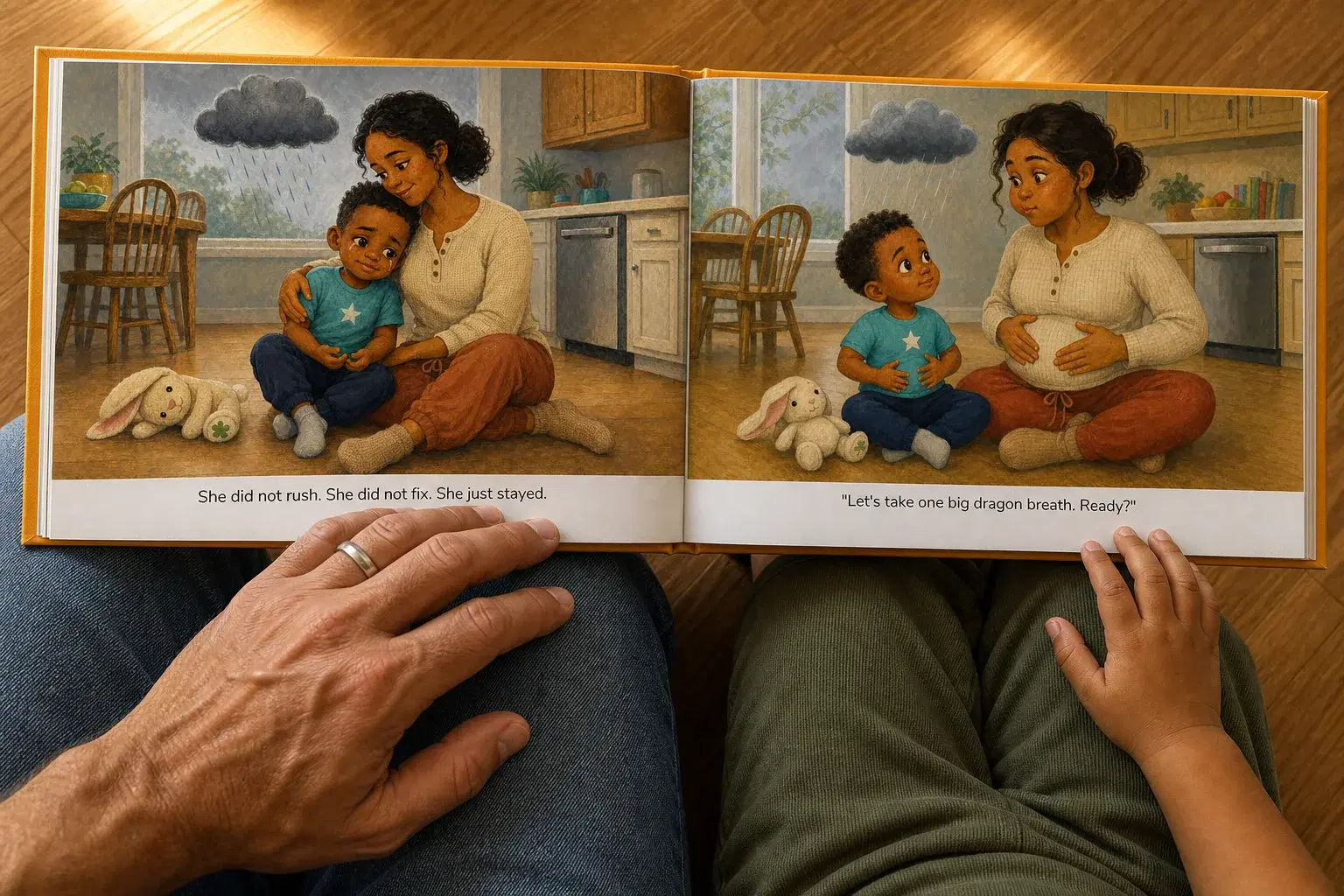
How a book gets made.
- Concept
- Casting
- Wardrobe
- World
- Writing
- Illustration
- A last read
A virtual studio, built to run like a real one — seven jobs, seven specialists, not one program doing everything. The whole studio works on your kid’s one book.
 01
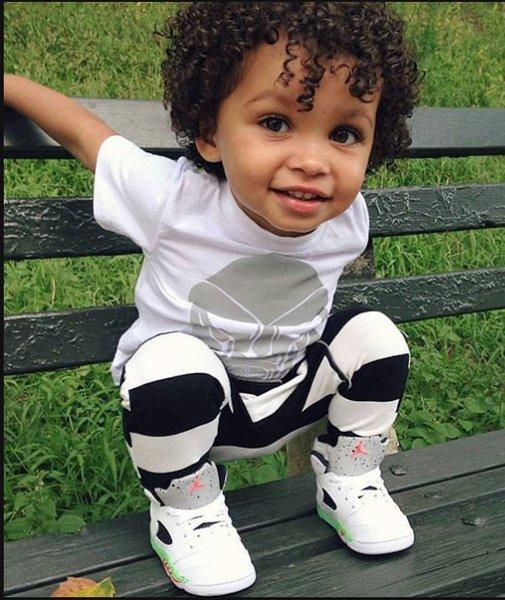
01You bring two things
One sentence about them, and a photo. That’s the whole ask.
“Max has a big game this weekend. Put him on the field.”
 02
02The story team takes it
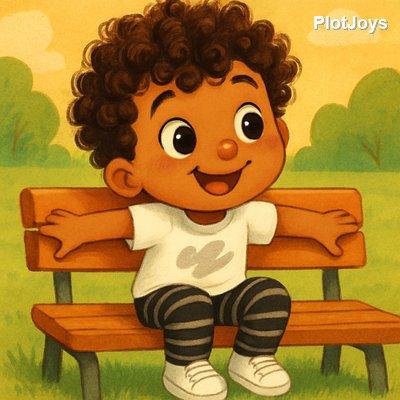
A group of story specialists work up different directions and settle on the one that fits your child. They also decide exactly how they look — before anyone writes a word.
 03
03It goes to the writer
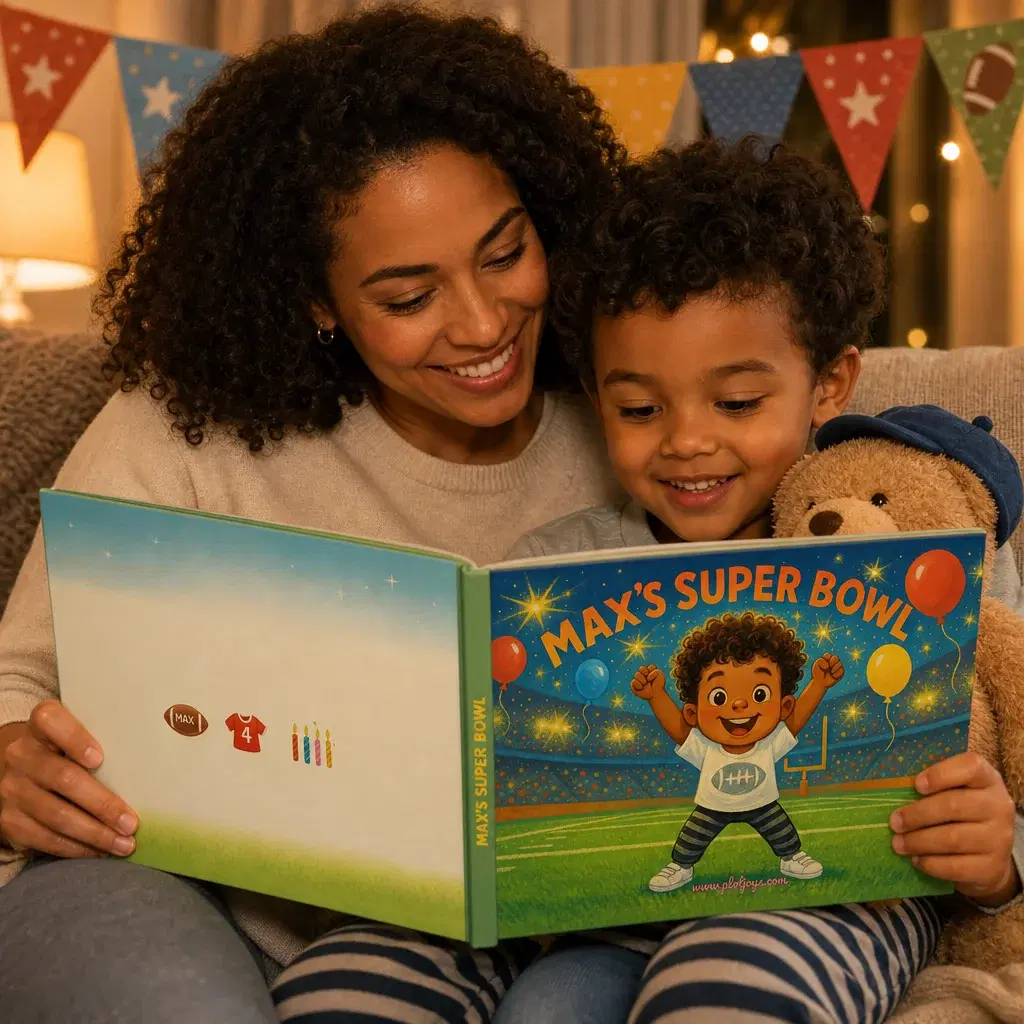
A story writer takes the chosen idea and writes the book spread by spread — your child’s name, your details, your ending.
- 04
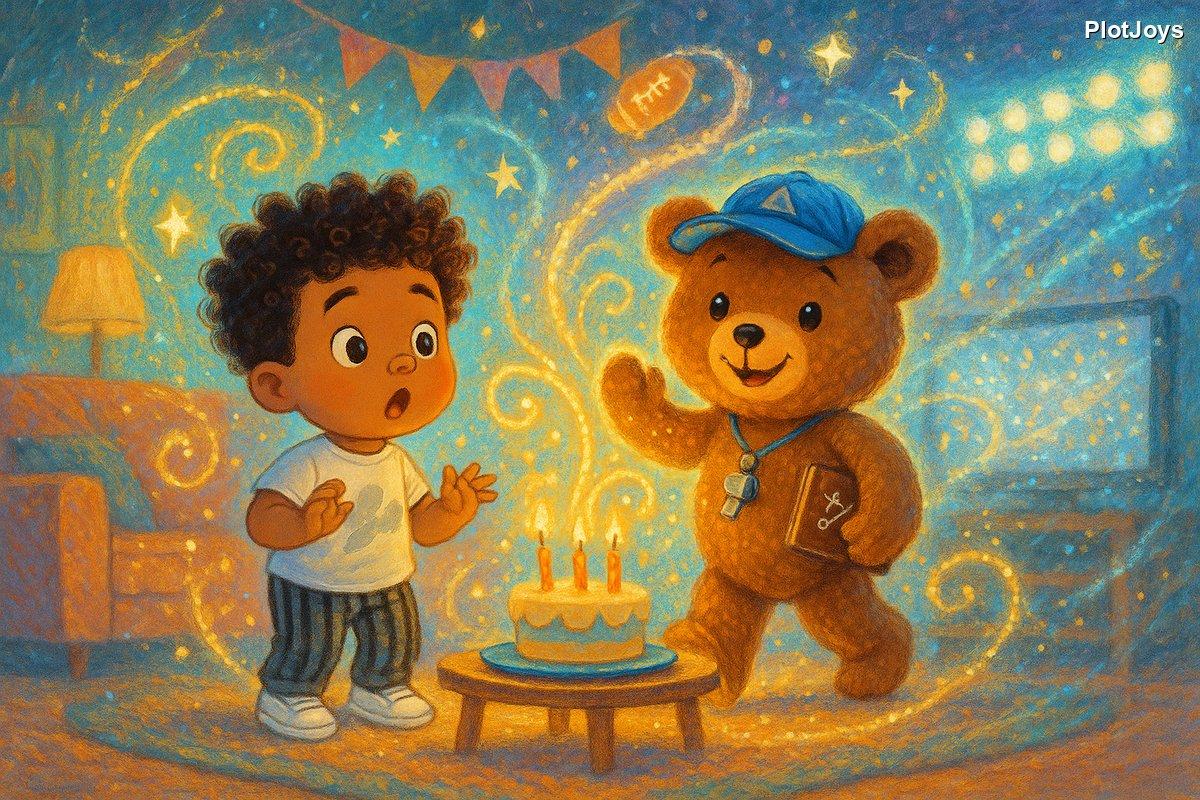 early page
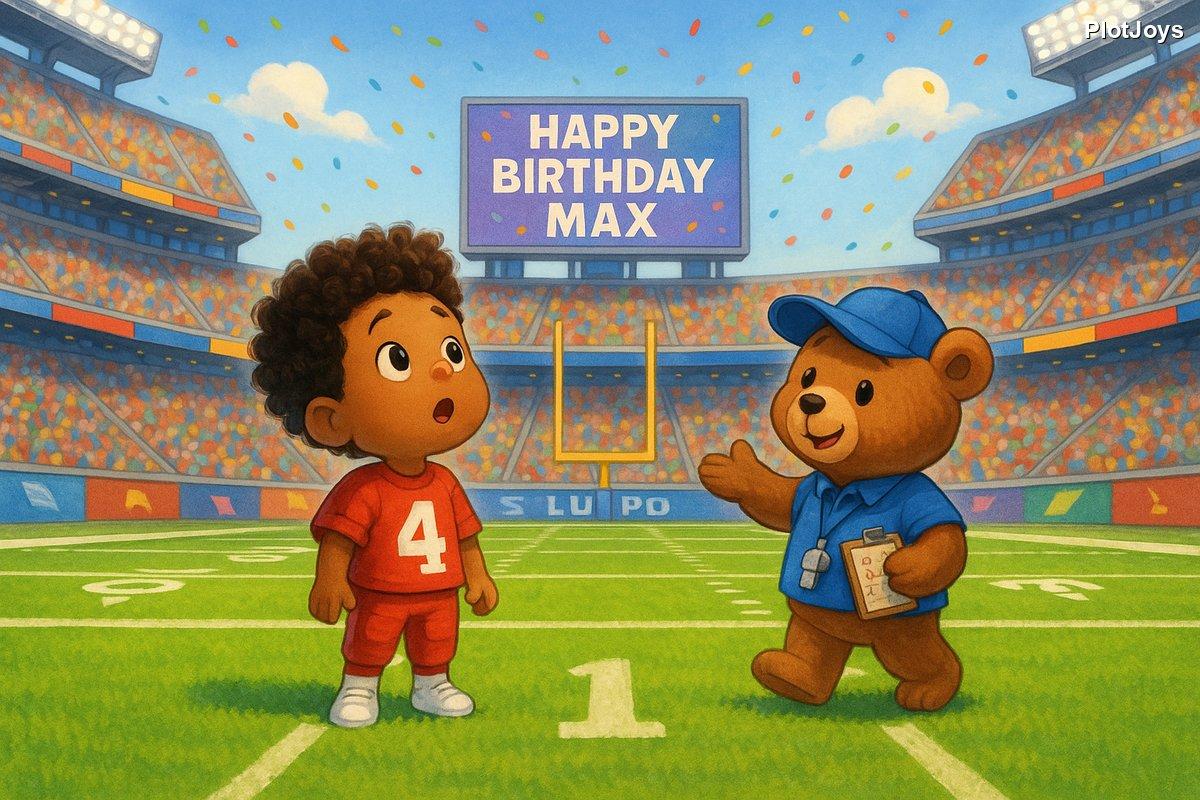 later page
Then the illustrators draw it
An art director sets the look and illustrators draw every page — the same child throughout, so page 12 matches page 1.
Anything you want changed, we change — until you love it, or your money back. Photos stay inside the studio; birthdays are stored as month and year only.
Where the care goes.
A studio is only as good as the specialist doing each job — so every job here has one built for it, and nothing else.
One specialist per job
Casting, wardrobe, writing, illustration and a last read for how it lands with the reader are separate jobs, each with a specialist built for that one thing — and each using the tool best suited to that job, not one tool for everything. The instructions behind every specialist are rewritten on what real books teach us.
The story fits before a word is drawn
Several story directions are worked up from your one sentence, and the one that fits your hero — and the age they’ll be read to — is chosen before any writing starts. The words are written for that reader: the vocabulary, the length of a line, what a page can carry. Only then does the illustration begin, drawn from those words. Read one, words and pictures together, in Discover.
The same face, every page
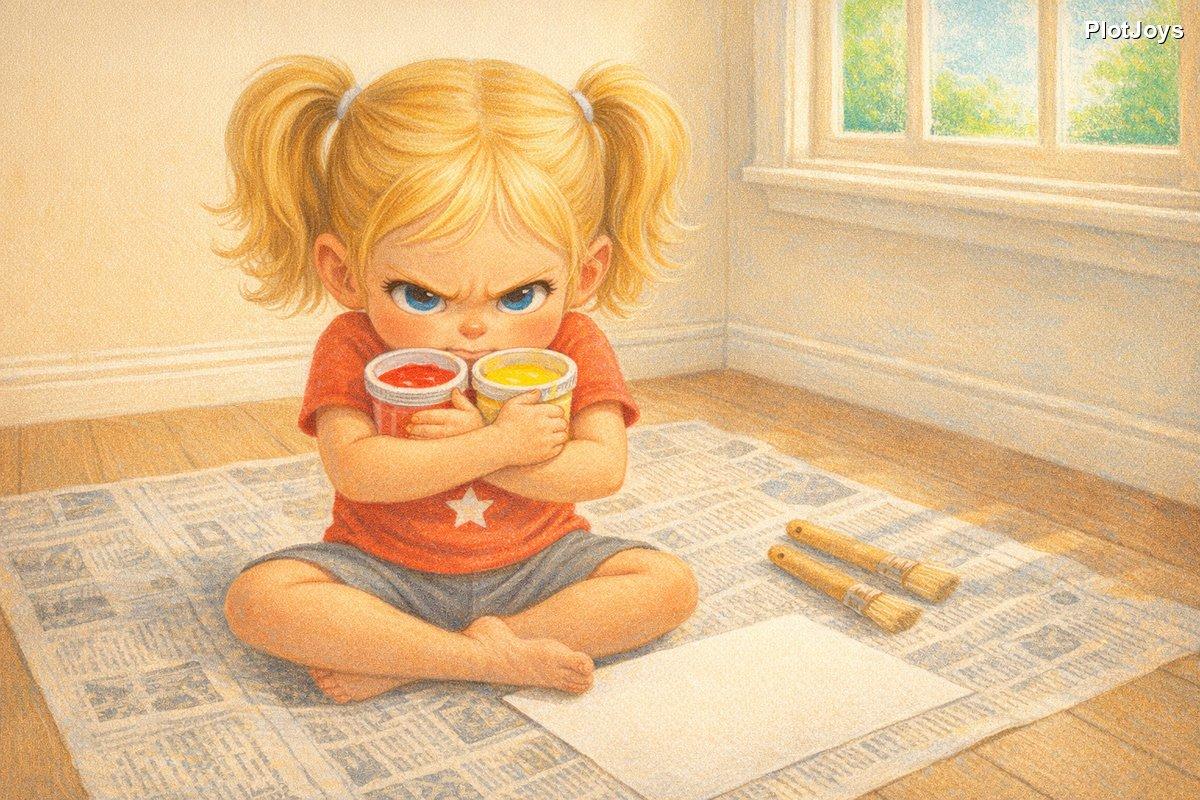
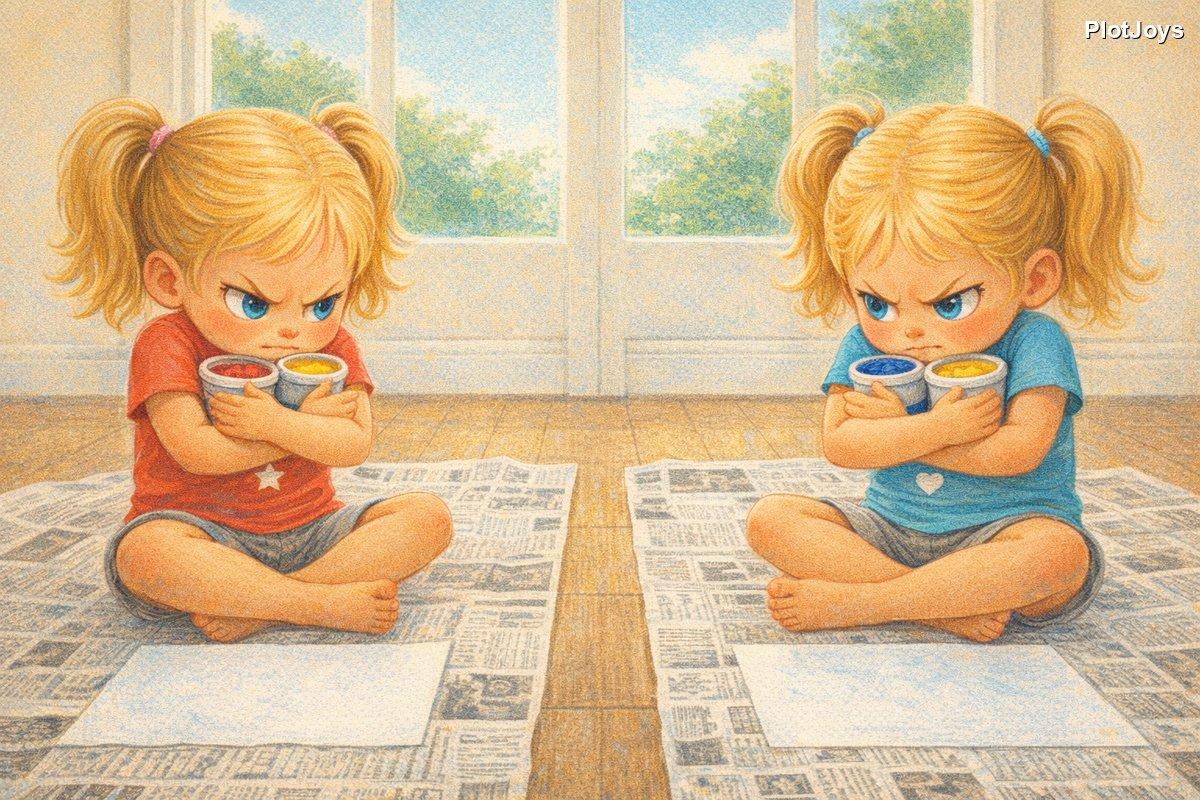
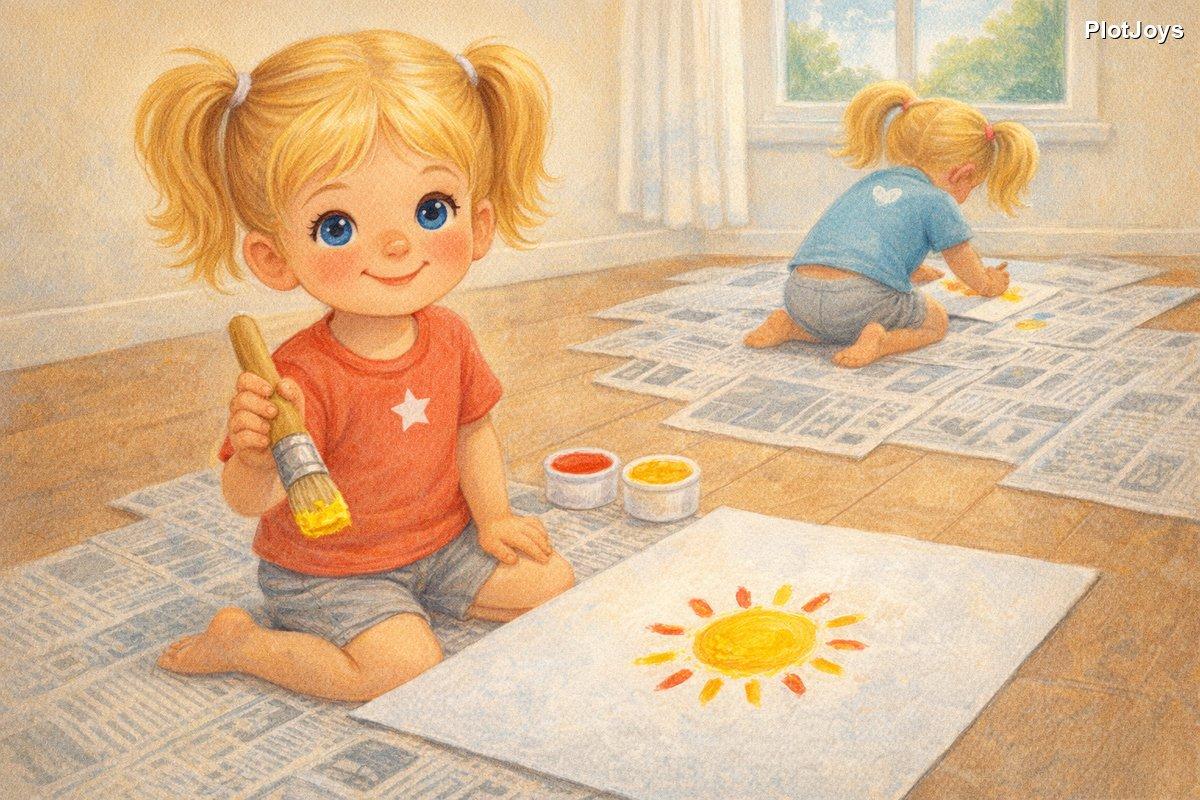
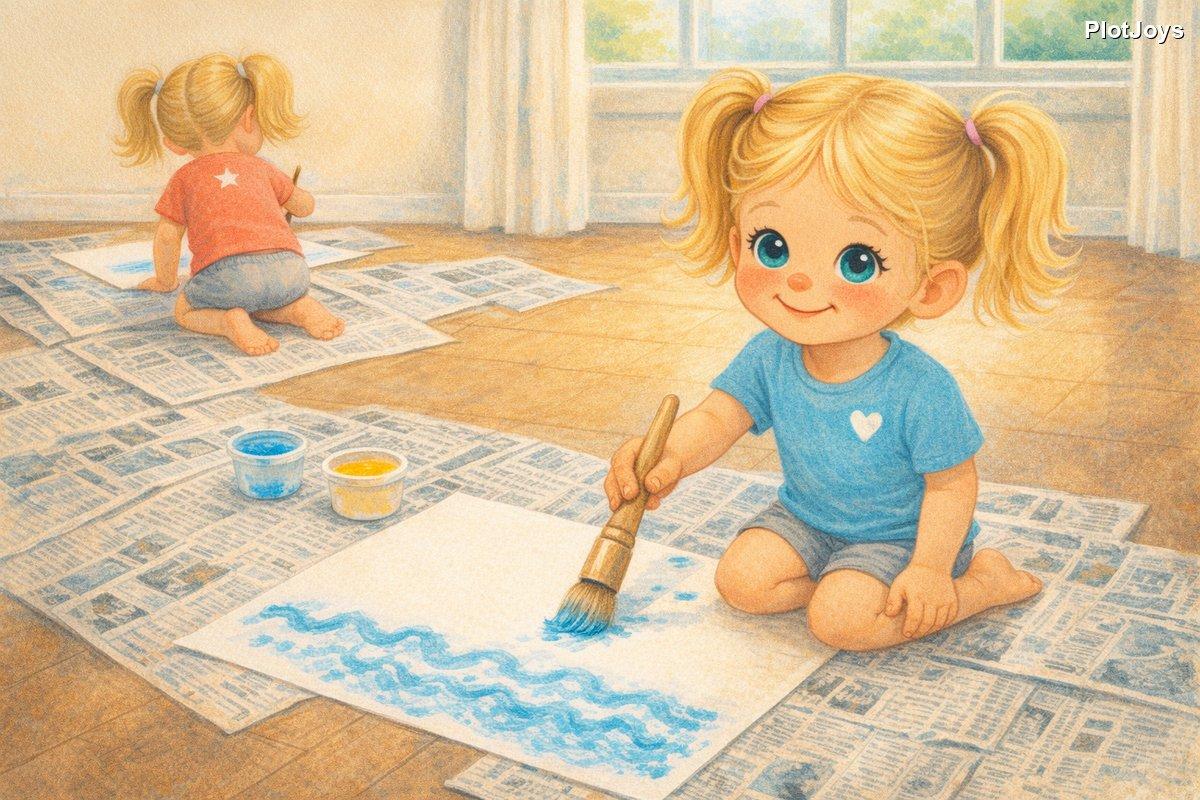
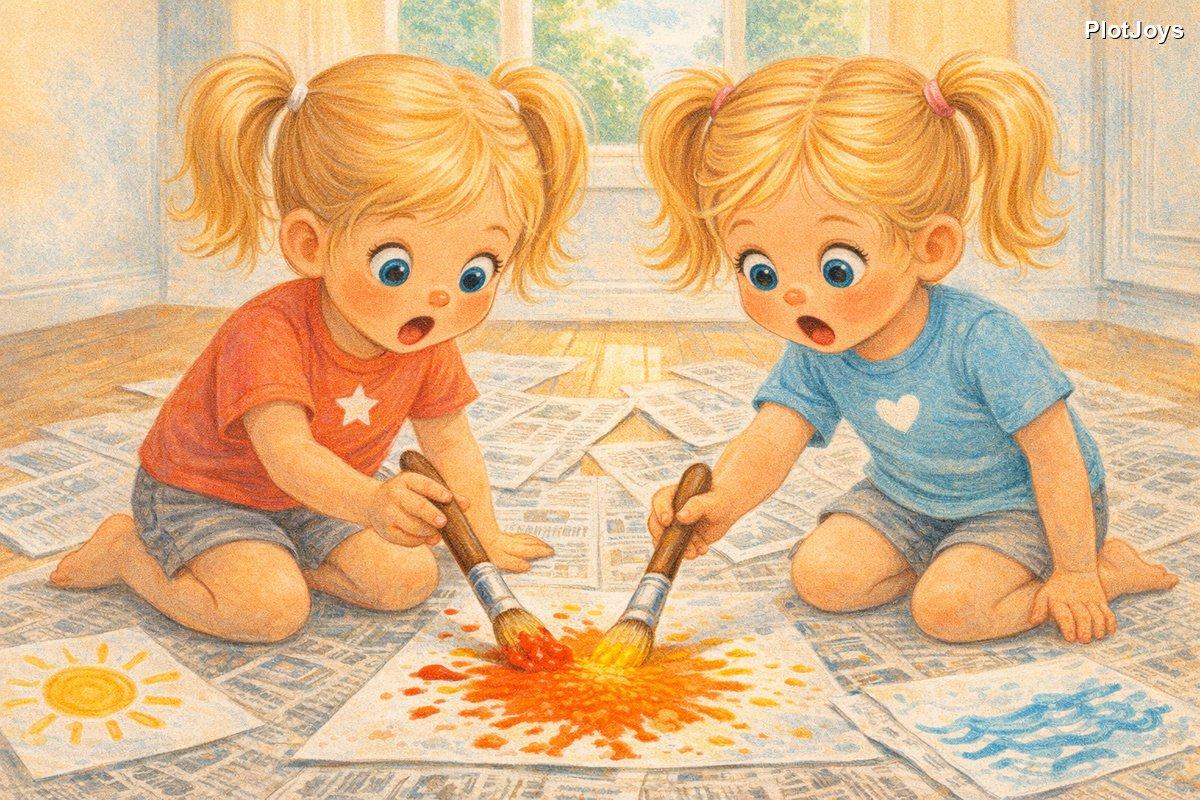
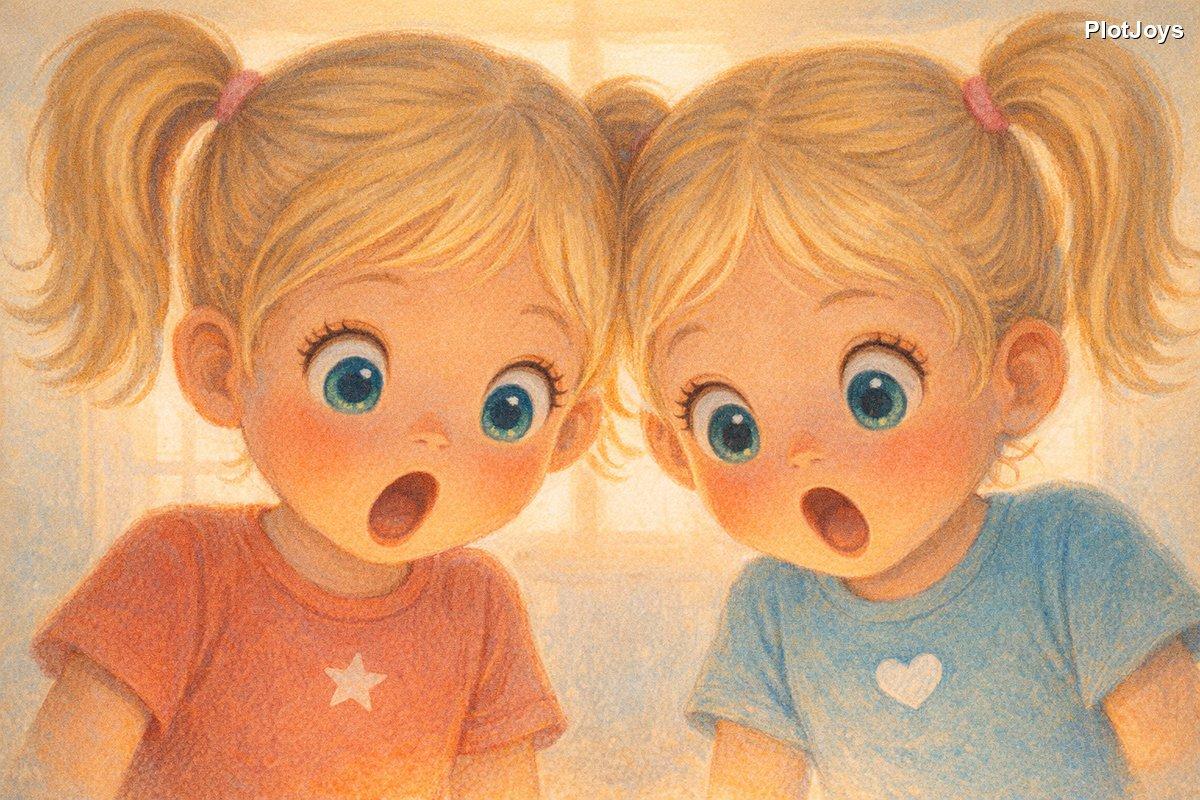
Your hero is cast once and carried through the whole book, so they are recognisably themselves on page eleven as on page one. That’s the World job: it holds their face, their clothes, their props and their setting steady from the first page to the last — even when two heroes in the same book look alike.
A person looks before it prints
You read the whole digital book first — but it is easy to miss something in your own child’s story. So before a hardcover goes to press, a real person checks the art at full print size. Small things we fix; anything bigger, we show you and you choose.
At any point, anything you want changed we change — until you love it, or your money back.
The measure.
So far, 47% of families who buy one book come back for another. A grandmother ordered one, then one more, then two. A father ordered three — then all three again in hardcover — and wrote: “I’m sure you’ll be hearing from me in the future.” And every Tuesday at Plano Day School, a pre-K class gets a new one; at pickup, one boy told his dad: “I want the story teacher again.”
Your photos.
One use: making your stories — they become your characters and your illustrations, and nothing else. Not for anything else, not by anyone else: every technology partner inside the studio is held to the same rule, and we check that they keep it. You can delete a profile and everything attached to it whenever you like.
The technical version, for anyone who wants it
It’s an agentic system, built to work the way a story studio does. One agent per job — concept, casting, wardrobe, world, writing, illustration, a last read — and inside the World job, one whose only task is keeping it consistent: the hero, the characters, the props, the setting, the same from the first page to the last. The hero is designed once, from their photo, and every page is drawn from that one design.
I’ve rewritten the prompts thousands of times, on real production feedback and what families asked me to change — so every fix compounds. I tested the foundation models and use the one that’s best at each job — the highest grade, with extended thinking, wherever a judgement call is made.
And the bar is mine. I’m a math PhD who led AI teams for a decade, and a mom. The taste and the responsibility are human — they’re me.
— Dao, founder