Big Feelings
Why Is My 3-Year-Old So Emotional? Big Feelings, Explained

By Dao, Founder · PhD in mathematics, former Director of Data Science at Uber and Capital One · LinkedIn ↗
The short version
- Your emotional 3-year-old isn’t being defiant or manipulative — their brain just hasn’t built the brakes yet, so the wrong-colored cup really can feel like the end of the world.
- Three is the peak for meltdowns, and the good news is built in: tantrums get better after three, with real self-control showing up in flashes by five.
- What helps most in the moment: be their calm (they borrow yours), name the feeling to tame it, and hold the feeling and the boundary in the same breath.
- A story where a hero like your child gets through a big feeling hands them the words for it — and the magic is the book plus you, reading and talking it through together.
Your 3-year-old falls apart over the wrong-colored cup — sobbing on the floor like it’s the end of the world — and you think, “is this normal?” Breathe: it completely is. Three is the peak for big feelings, and there’s nothing wrong with your kid, or with you. Here’s what’s really happening in that little brain, and how to help it pass.
Here’s the relief: when your 3-year-old melts down over something tiny, it isn’t defiance and it isn’t manipulation. Their brain literally hasn’t built the brakes yet — they can repeat a rule back to you and still not be able to follow it. The wanting and the stopping are two different skills, and the stopping one is still under construction. They genuinely can’t calm down all alone yet. That’s not a flaw. That’s three.
Part of our guide to social-emotional skills by age.
At 2: big feelings, no words, no brakes
The feelings are huge and the tools are tiny.
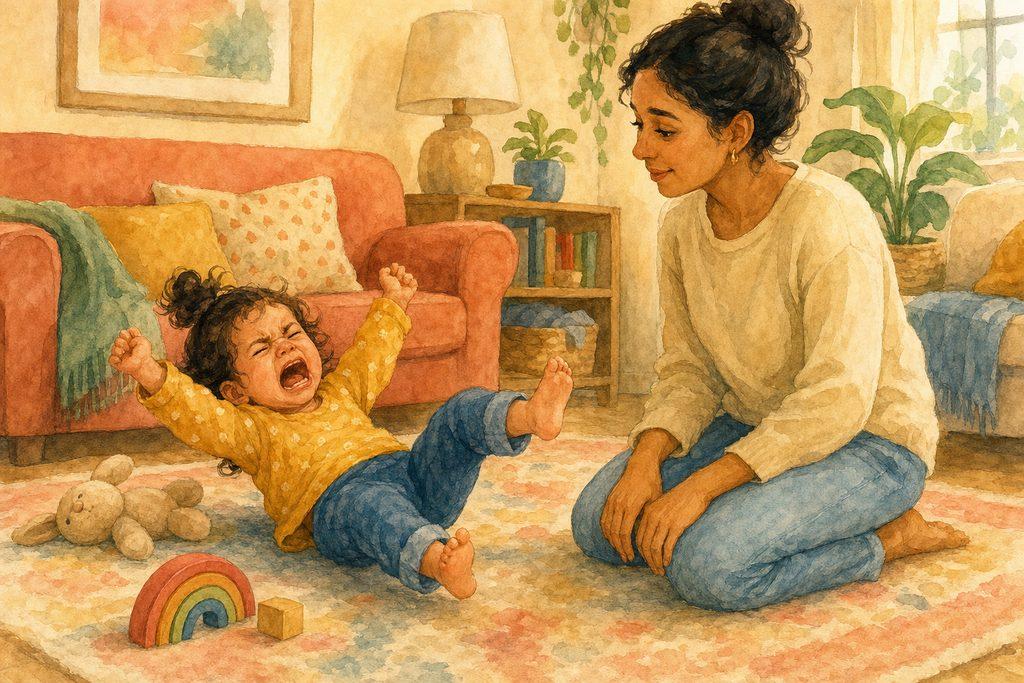
At two, kids just don’t have much control over their emotional impulses — beaming one minute, weepy the next — and they don’t have the words for the feeling yet either. So it spills out as crying, hitting, or screaming. It looks like a hard day; it’s really a two-year-old brain doing exactly what a two-year-old brain does. [7, 2]
Try this: Stay close and lend your calm, put the feeling into words for them (“you’re so mad the tower fell”), and keep playdates short and sweet.
At 3: the peak — and the wrong cup is the whole world
This is the top of the hill. It’s normal, and it eases from here.
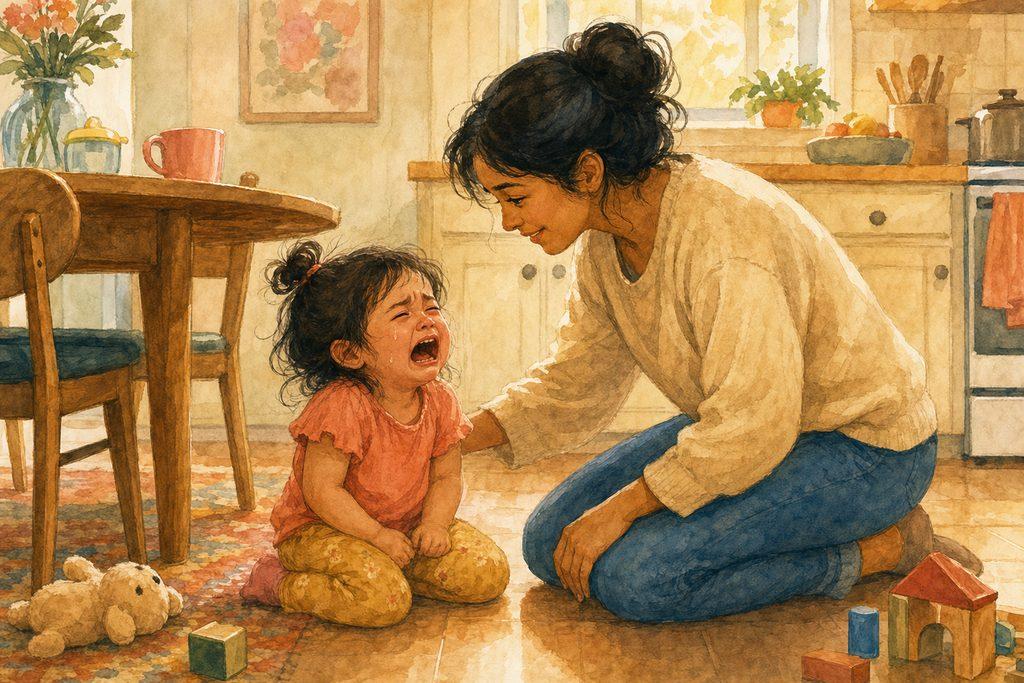
Three is the peak for meltdowns — they’re most common right around now. Inside is a real tug-of-war: your child has discovered they’re their own person with their own wants, but they don’t have the words or the impulse control to match. So “we have to leave the park” becomes a full-body, floor-kicking storm. It isn’t naughtiness; it’s a system overflowing. And the good news is built in: tantrums get better after three. [1, 6]
Try this: Three is a wonderful age to start naming feelings: “I see you’re really mad.” Then give the big feeling somewhere to go besides the floor — a stomp, a loud “I’M MAD!”, a squeeze of a favorite toy. The word gives the feeling an exit.
At 4: more words, but still floods
The words and the empathy are blooming — the brakes still aren’t wired.
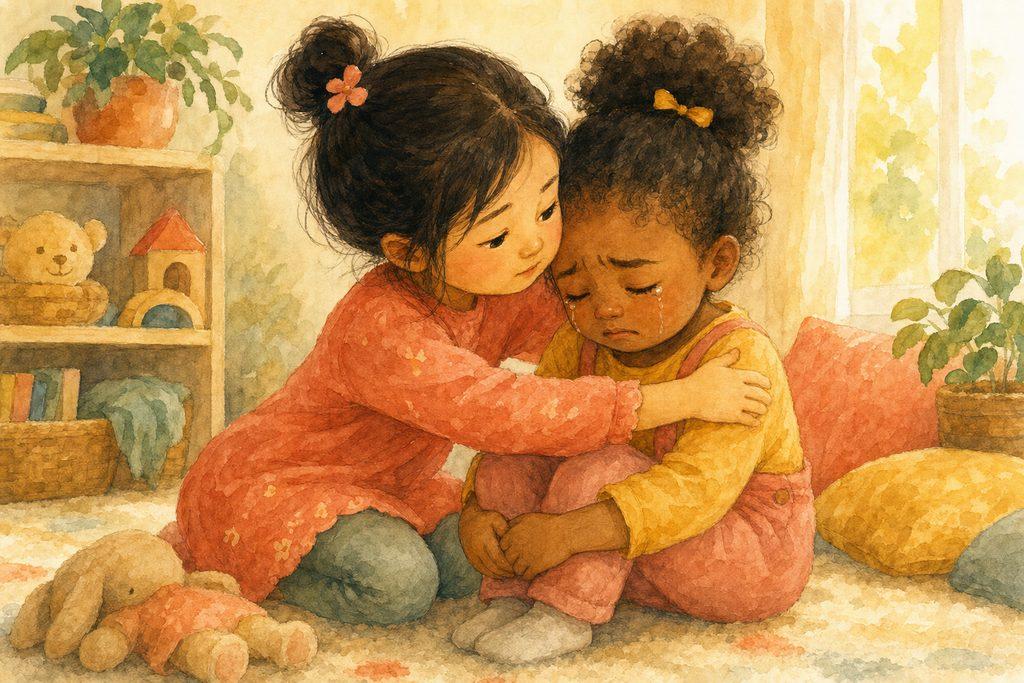
By four, something tender is happening: the same child who melts down on the floor can also comfort a sad friend, narrate their day, and play pretend. The empathy and the language are growing fast. But the part of the brain that hits the brakes is still being built, so they still flood — and that’s expected, often all the way to seven or eight. [8, 5]
Try this: Name the feeling out loud (“you’re angry we had to leave — you were having such a good time”). At this age your calm, not a clever consequence, is what actually lands.
At 5: self-control, in flashes
Real regulation starts to show — and still vanishes when the wave is big.
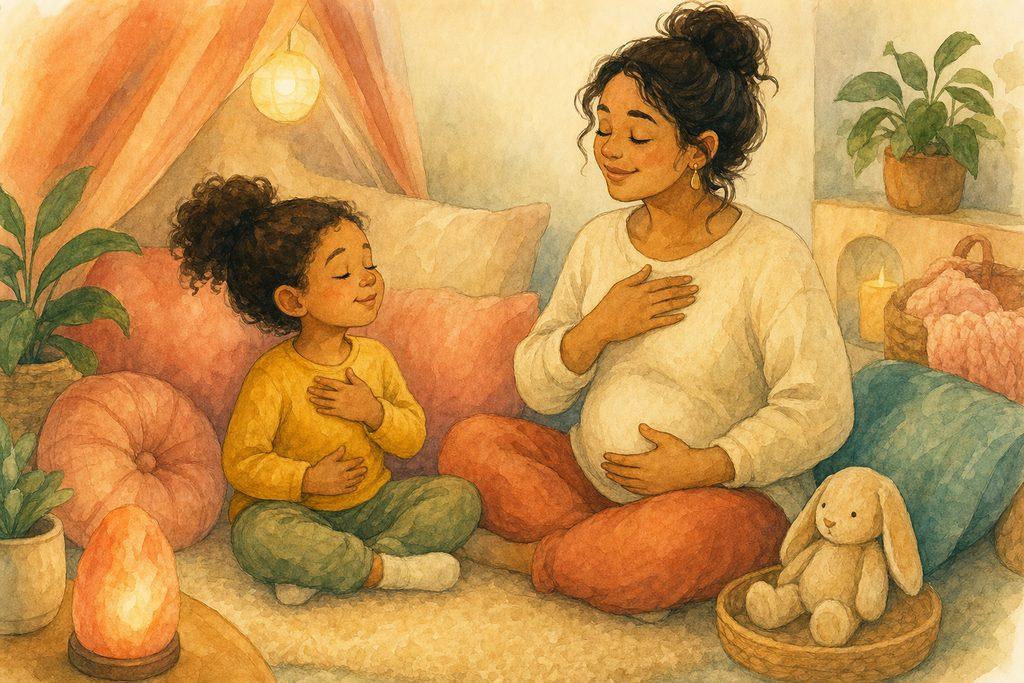
At five, you’ll see real self-control begin — following rules, taking turns, talking themselves down a little. But only in flashes: it can shine one hour and disappear the next, and both are completely normal at the same age. New fears (the dark, monsters) and big feelings about starting school show up too — signs of a growing mind, not red flags. [10, 5]
Try this: Try a simple calm-down tool together — a deep breath, a cozy “feelings corner” — and practice catching the feeling early, naming a small “4 out of 10” before it crests into a 10.
How to help, in the moment (what actually works)
- Be their calm — they borrow yours. A flooded 3-year-old can’t self-soothe yet; your steady presence is the calm their brain hasn’t grown. Get close, breathe slow, and let the feeling roll through like weather. (And find your own breath first — you can only lend calm you actually have.) [2, 11]
- Name it to tame it. Putting words on the feeling — “you’re SO mad the tower fell” — genuinely helps the brain settle; in one study, simply labeling an emotion quieted the brain’s alarm and switched on the thinking part. With a little one, you do the naming for them — and those tiny back-and-forth moments are quietly building their brain. [9, 3, 8]
- Hold the feeling and the boundary in the same breath: “It’s okay to feel mad. It’s not okay to hit. It’s my job to keep you safe.” The feeling is always allowed — it’s only some actions that get a gentle limit. [8]
- Connection before correction. The teaching lands after the storm, not during it. In the moment, reach for the heart; save the lesson for when they’re back in their body. [4]
The best children’s books about anger
A story gives a big feeling a shape — and a way out. These are the anger books the child-development lists come back to, each doing a slightly different job. Read them in a calm moment, not mid-meltdown, so the words are already there when the storm hits.
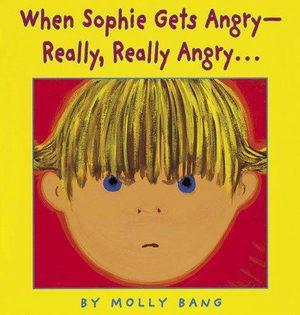
“When Sophie Gets Angry — Really, Really Angry…” by Molly Bang (ages 3–7) — Sophie explodes, runs outside, climbs a tree, and slowly comes back to herself — it names the whole arc of a meltdown, so a child sees that even really, really big anger passes. (A Caldecott Honor.)
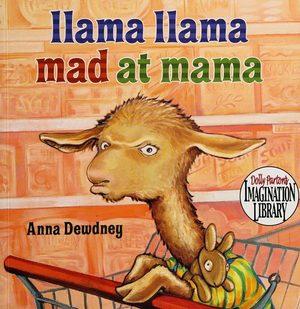
“Llama Llama Mad at Mama” by Anna Dewdney (ages 2–5) — A boring shopping trip boils over into a store-aisle tantrum — the everyday trigger the youngest kids know, in soothing rhyme, with a calm parent who repairs.
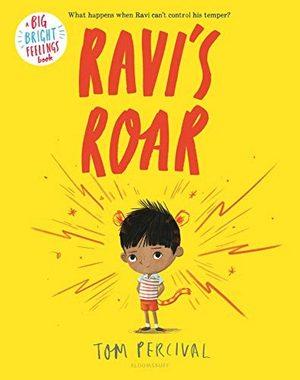
“Ravi’s Roar” by Tom Percival (ages 3–7) — Ravi’s temper turns him into a wild roaring tiger nobody wants to play with — anger made visible, plus the social cost and the way back. (Big Bright Feelings series.)
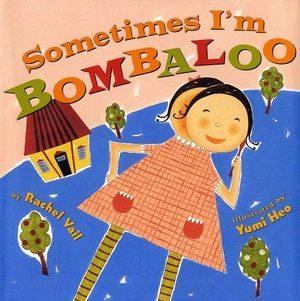
“Sometimes I’m Bombaloo” by Rachel Vail (ages 3–6) — When Katie gets really mad she becomes “Bombaloo” — fists instead of words — then a little time-out and a lot of love bring her back. Names the moment anger takes over.
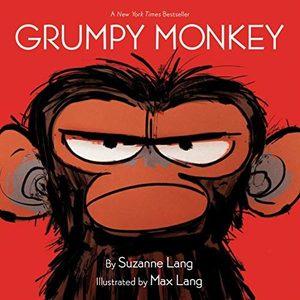
“Grumpy Monkey” by Suzanne Lang (ages 3–7) — Jim the chimp wakes up grumpy for no reason, and everyone’s “just cheer up!” only makes it worse — until he learns it’s okay to just have a bad day. Permission to feel it.
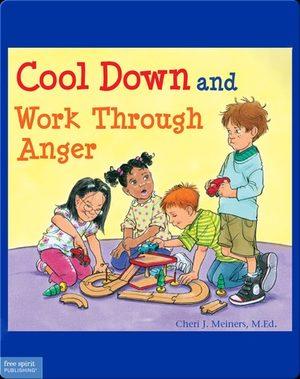
“Cool Down and Work Through Anger” by Cheri J. Meiners (ages 4–8) — The most how-to of the bunch: it’s okay to feel angry, not okay to hurt — then concrete steps (self-calm, talk, listen, apologize), with an adult discussion guide built in.
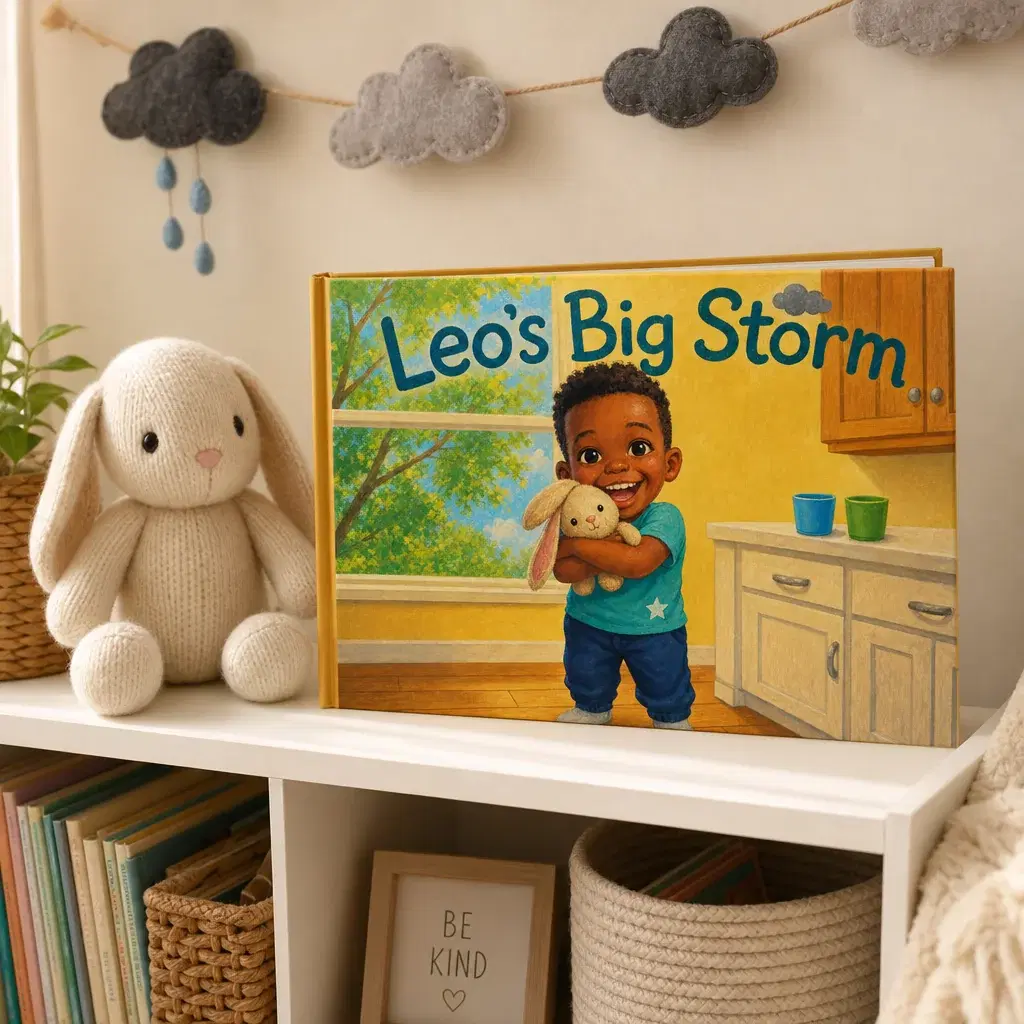
Notice what every one of these does: hands your child a hero who feels the storm and finds the way out. A personalized story does that with your child as the hero — like Leo in the story just below, it’s their name, their face, their big feeling, so “that character calmed down” becomes “I can.” Read alongside the classics, it’s the one where the brave-in-the-storm kid is theirs.
See how the story walks him through it
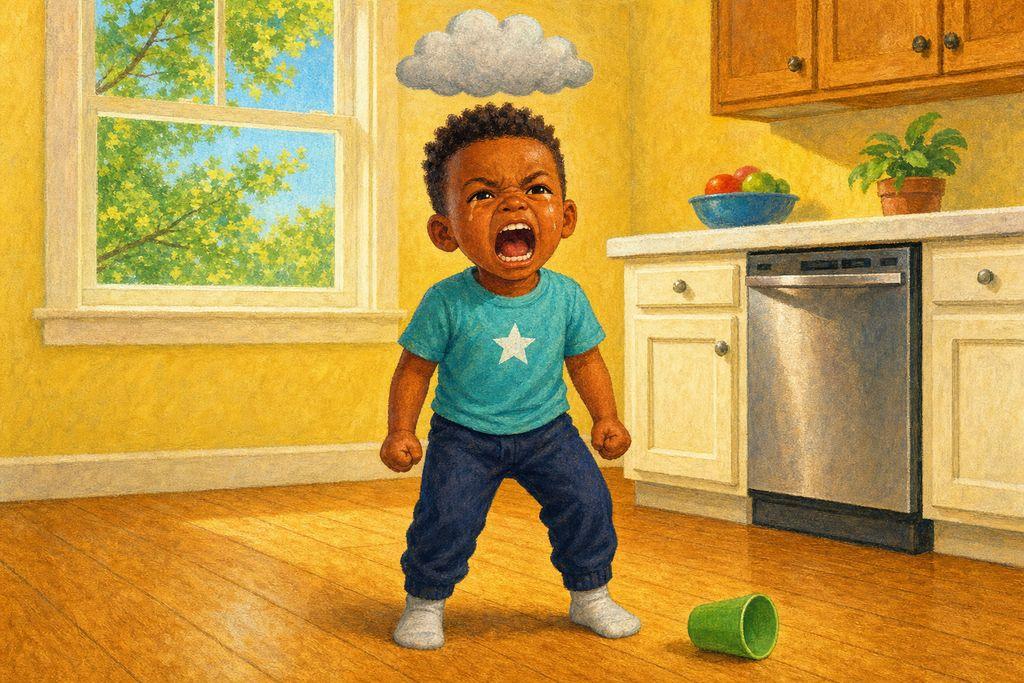
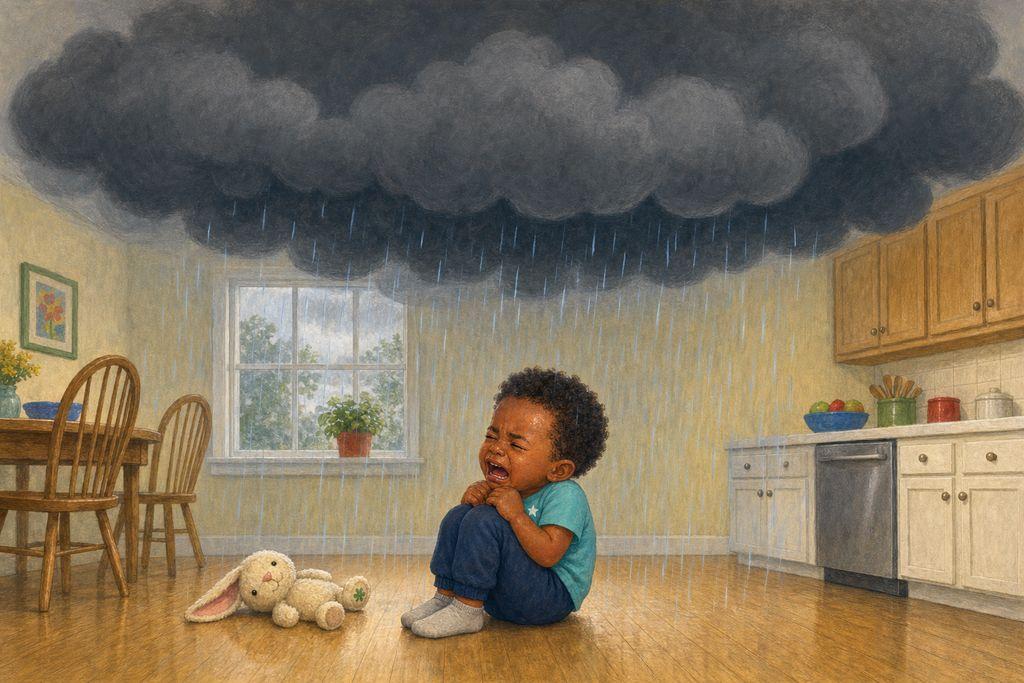
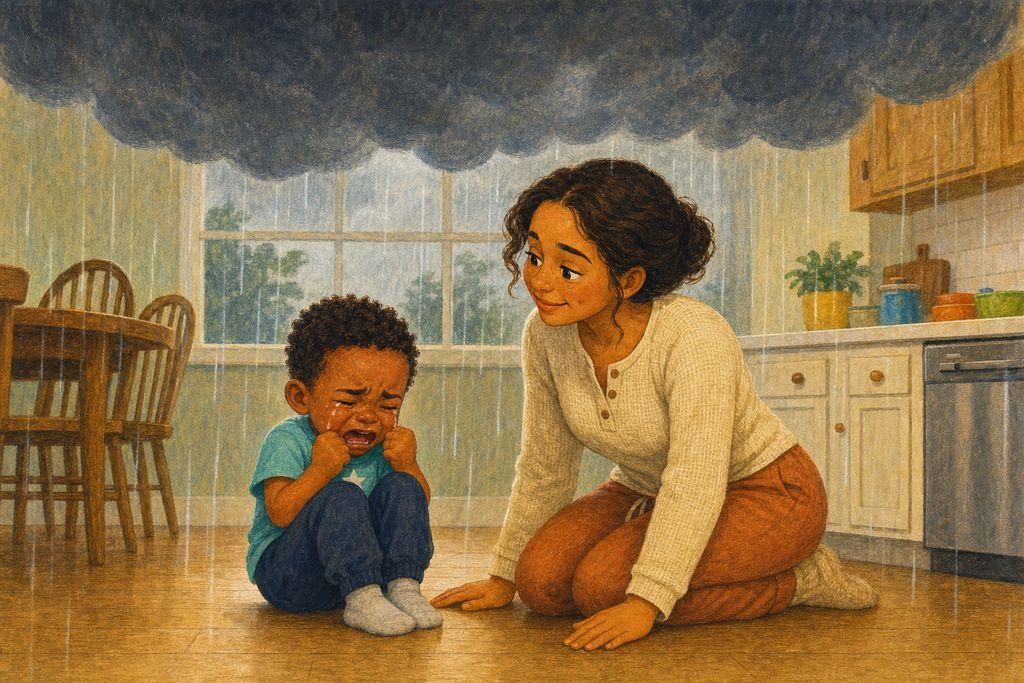
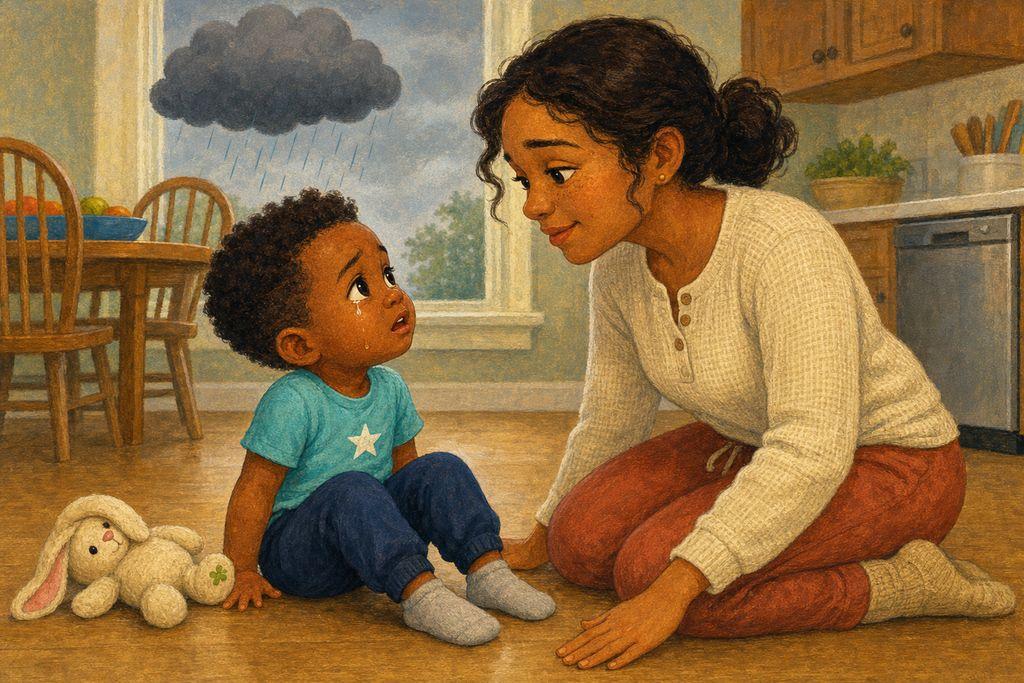
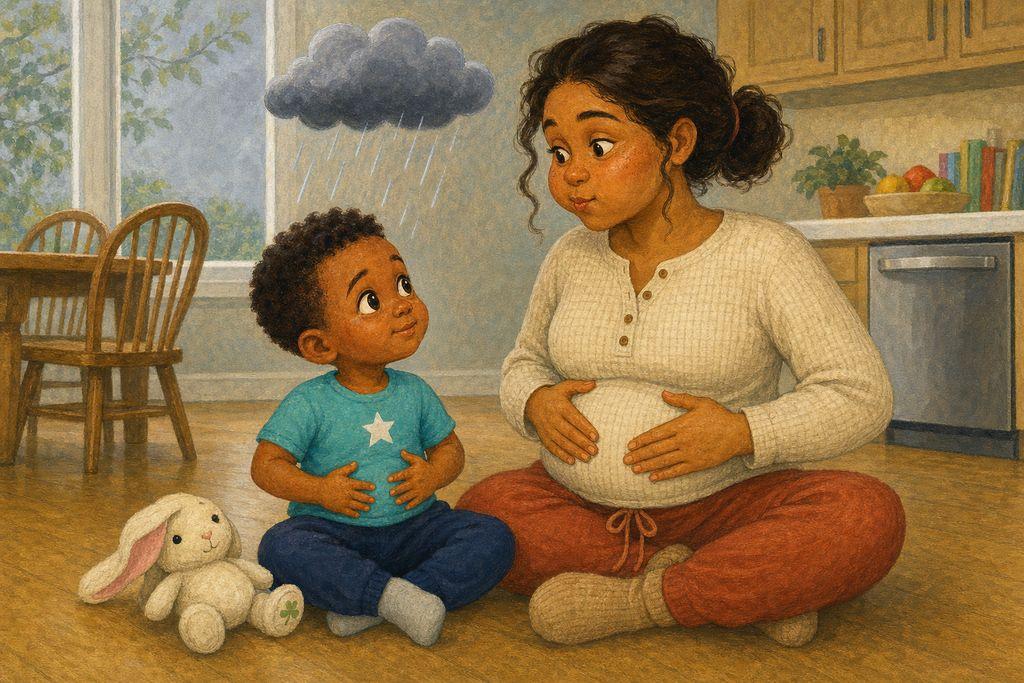

What this story is built to help with: A personalized storybook is the perfect way to teach it — your child as the hero who names a big feeling, learns that big feelings always pass, and practices a simple calm-down, with your calm leading the way.
Can a story actually help? (More than you’d think)
A story where a hero like your child has a big feeling and gets through it hands your kid the words for it — and a child pays far more attention to a hero who feels like them. Reading books about feelings helps children recognize their own emotions and opens the gentle conversations about what to do with them. [12, 8]
And it works best with you. The research is honest: a personalized story brings more smiles, more talk, more snuggle-up connection — but the growing happens in the conversation it sparks — the two of you reading it together. The book plus you is the magic. [13, 12]
Quick answers
Is it normal for my 3-year-old to be SO emotional?
Completely — three is the peak. Meltdowns are most common right around now, and they ease from here. It’s not a sign you’ve done anything wrong.
Why does my 3-year-old cry over the tiniest things?
Because to them, it isn’t tiny. The wrong cup truly feels huge, and their brain can’t put the brakes on the feeling yet. It’s real — and it passes.
Is it bad that I can’t reason with them mid-meltdown?
Not at all — you’re not supposed to be able to. A flooded child can’t reach the thinking part of their brain. Your calm, not your logic, is what helps. Save the talk for after.
When does it get easier?
Soon-ish. Tantrums get better after three, and by around five most kids can calm themselves with some success. Three is close to the hardest part of the climb, not a permanent setting.
Should I ever worry?
Almost always, no — this is textbook three. But if meltdowns are extreme, very long, hurting someone, or you’re simply worried, your pediatrician is the right person to ask.
Who’s behind this
I’m Dao — a mom, and I’ve lived the wrong-colored-cup meltdown more times than I can count. I make personalized storybooks where your child is the hero, because a story they’re in is the warmest, screen-free way to give a big feeling somewhere to go.
Keep reading
- The after-daycare meltdown, and the reunion that helps
- When the big feelings turn into hitting: how to teach gentle hands
- Why your toddler won’t listen (and how to be heard without yelling)
- Why your child gives up so easily — and how to grow a kid who tries again
- Social-emotional skills by age: what’s normal at 2, 3, 4 and 5
- Why I built PlotJoys — the night my daughter hugged the iPad
The research, if you want it
- Zero to Three — “Toddler Tantrums 101: Why They Happen and What You Can Do”
- Zero to Three — “Your Calm Is Their Calm: Co-Regulation Strategies for Infants and Toddlers”
- Center on the Developing Child at Harvard University — “Serve and Return”
- Child Mind Institute — “Why Do Kids Have Tantrums and Meltdowns?”
- Child Mind Institute — “Emotional Regulation: How to Help Kids With Self-Regulation”
- American Academy of Pediatrics, HealthyChildren.org — “Temper Tantrums”
- American Academy of Pediatrics, HealthyChildren.org — “Emotional Development: 2-Year-Olds”
- American Academy of Pediatrics — “Handling Big Emotions”
- Lieberman et al. (2007) — “Putting Feelings Into Words: Affect Labeling Disrupts Amygdala Activity,” Psychological Science
- CDC, “Learn the Signs. Act Early.” — Milestones by 3 Years
- Harvard Health Publishing (2024) — “Co-Regulation: Helping Children and Teens Navigate Big Emotions”
- Schapira & Grazzani (2025) — shared book reading and social-emotional competence, Frontiers in Psychology
- Kucirkova, Messer & Whitelock (2013) — personalized books and parent-child connection, Journal of Early Childhood Literacy